

Заливка основания центробежного насоса: важный шаг для обеспечения долгосрочной-стабильной работы насоса.
Feb 06, 2026
Оставить сообщение
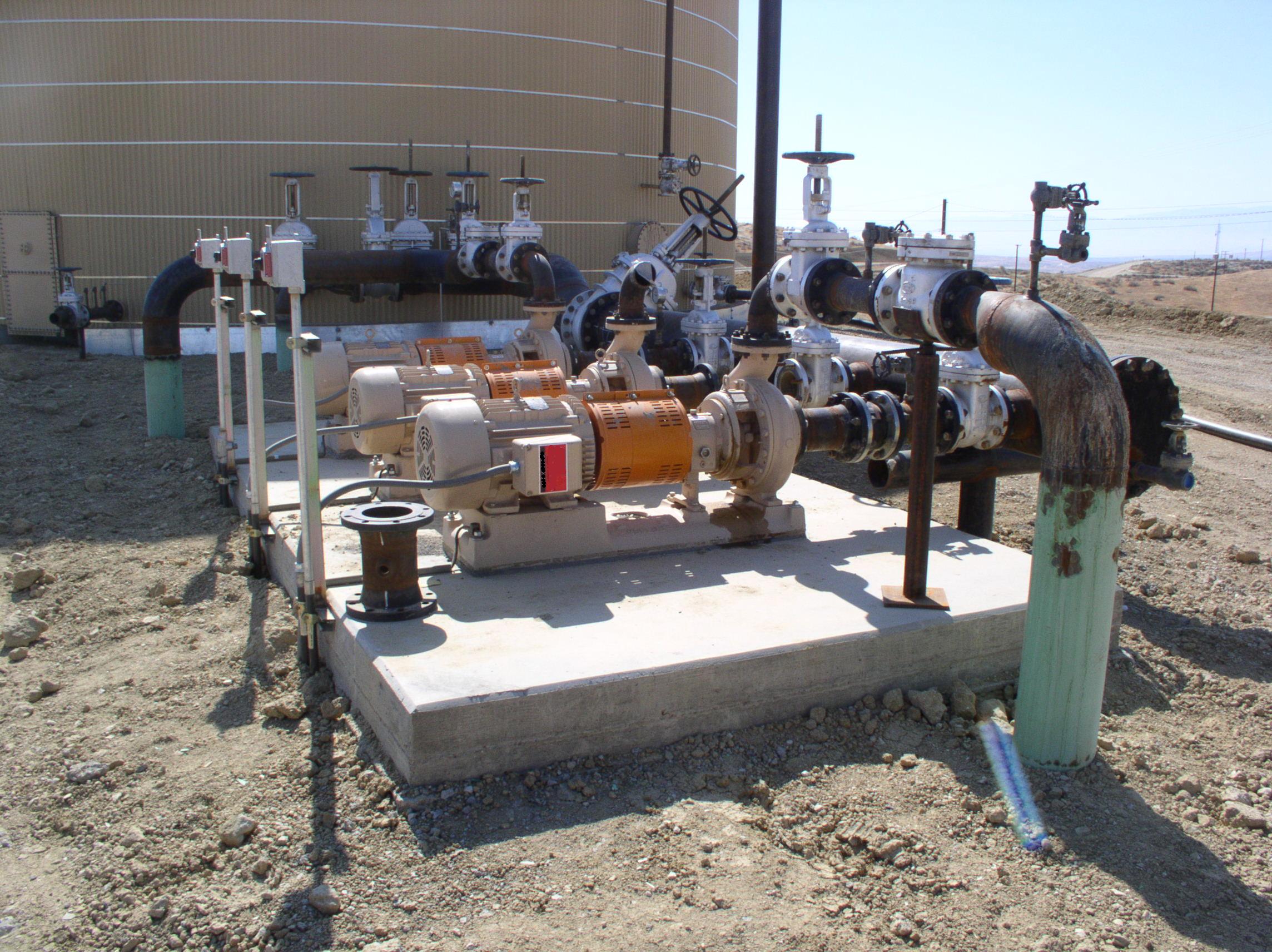
В отрасли центробежных насосов клиенты обычно преследуют две цели: во-первых, обеспечить надежную работу насоса в долгосрочной перспективе, а во-вторых, добиться экономичных затрат на установку. Основная функция опорной плиты — обеспечение устойчивой опорной поверхности для точного выравнивания насоса и приводного устройства. Это не только обеспечивает точное выравнивание между ними, но также обеспечивает необходимый путь для передачи вибраций, нагрузок на патрубки и усилий на трубе. Если опорная плита спроектирована или установлена неправильно, все усилия по выравниванию могут оказаться бесполезными на начальных этапах эксплуатации насоса. И наоборот, правильная установка опорной плиты сохранит это критическое выравнивание и принесет долгосрочную-экономическую выгоду за счет снижения затрат на техническое обслуживание.
-
Требования к установке и экономическая-эффективность
Как правило, чем ниже мощность насоса, тем меньше необходимости в дорогостоящих установках (таких как фундамент, фундамент и цементация). Однако некоторые компании могут выбрать самое дешевое основание и разместить его прямо на полу или земле, просто подключив впускные и выпускные трубы насоса и электрические соединения. Этот подход может подойти для насосов малой-мощности, работающих при низких температурах окружающей среды и в течение коротких периодов времени. Но в долгосрочной перспективе любая насосная система, предназначенная для правильной установки и обеспечивающая общую и долгосрочную-пользу, должна серьезно рассмотреть альтернативы, такие как предварительно-залитые фундаменты насосов.
-
Ключевые этапы заливки опорной плиты
Подготовка нижней части опорной плиты
Из-за отсутствия конкретных стандартов производители насосов и опорных плит обычно не готовят нижнюю часть опорной плиты специально к процессу цементации. Однако следует учитывать следующие ключевые вопросы: Когда опорная плита в последний раз переворачивалась и подготавливалась поверхность для затирки? Насос и приводной блок были сняты?
В идеале нижняя сторона опорной плиты должна быть подвергнута пескоструйной очистке и установлена в течение короткого периода времени (в идеале в течение 8 часов в контролируемой среде), чтобы обеспечить прочное сцепление с раствором. Другой вариант — нанести подходящее эпоксидное покрытие на нижнюю сторону опорной плиты, которое будет служить поверхностью склеивания для затирки. Производители затирки предоставят конкретные рекомендации по подготовке поверхности и покраске.
Разделение оборудования и базы
В процессе затирки насос и приводной блок следует снять с основания. Перед снятием тщательно убедитесь, что оборудование правильно выровнено, а основание плоское и копланарное. Бетонный фундамент должен быть полностью затвердевшим перед монтажом и заливкой швов. Время отверждения нового фундамента будет варьироваться в зависимости от условий окружающей среды и используемой бетонной смеси.
Дополнительно при установке основания на новый или существующий бетонный фундамент необходимо удалить цементное молоко на глубину не менее полсантиметра. Избегайте использования ручного молотка при удалении цементного молока, чтобы предотвратить растрескивание бетона. Рекомендуется небольшой легкий пневматический молоток с острым наконечником.
Контроль времени отверждения
Важно отметить, что на отверждение затирки из эпоксидной смолы влияет температура. Если температура окружающей среды слишком высокая или слишком низкая, следует принять соответствующие меры для ее регулирования или контроля, например, установить временную изоляцию или затенить помещения. Кроме того, крайне важно обеспечить защиту оборудования от дождя во время процесса отверждения.
Анкеровка анкерных болтов
Анкерные болты являются важными соединительными элементами между фундаментом и опорной плитой. Они проходят через сквозные-отверстия в опорной плите и не только обеспечивают фиксацию, но, что более важно, плотно соединяют фундамент, раствор и опорную плиту вместе. В процессе заливки анкерные болты оказывают натяжение на опорную плиту, эффективно предотвращая ее плавание. Чтобы обеспечить плавную работу и предотвратить попадание раствора в нежелательные участки, между анкерными болтами и раствором следует сохранять определенный зазор. Этого можно добиться с помощью защитных рукавов/трубок.
Применение прокладок и регулировочных винтов
Перед затиркой многие люди привыкли использовать деревянные или металлические прокладки, чтобы выровнять основание, и оставлять прокладки на месте. Однако это может быть не лучший вариант. Прокладки склонны к коррозии, а регулировочные винты обеспечивают более точную регулировку и могут быть удалены после затирки. Для облегчения снятия рекомендуется нанести на прокладки легкую смазку.
Выбор метода затирки
Прежде чем приступить к процессу затирки, первоочередной задачей является решить, какой метод затирки использовать – в два этапа или в один этап. Лично я предпочитаю одноэтапную-затирку, особенно при использовании затирки на основе эпоксидной смолы. Рекомендуется одноэтапная-затирка эпоксидной смолой с соответствующими вентиляционными отверстиями для обеспечения выхода воздуха.
Процедура затирки
В процессе заливки решающее значение имеют устойчивость и герметичность опалубки. Необходимо обратить внимание на устойчивость опалубки, точность измерения материалов и плавность их растекания. Чтобы предотвратить прилипание раствора, на опалубку обычно наносят вещество, не вступающее в реакцию с раствором, например, восковую пасту, обычно в два-три слоя.
Во время затирки важно обеспечить надлежащую вентиляцию воздуха. Поскольку компоненты и опоры основания могут препятствовать правильной установке и вентиляции, в самой высокой точке каждой секции (панели) основания должны быть предусмотрены вентиляционные отверстия диаметром не менее 13 мм, как указано в стандартах API 610.
Затирка имеет решающее значение для стабильной работы насоса. Правильная затирка обеспечивает надежное основание, тем самым продлевая срок службы насоса. Поэтому овладение правильными методами цементации и понимание соответствующих рабочих процедур чрезвычайно важно.